
From a design perspective, trends are clearly differentiated, catering to the diverse needs of different consumers. On the one hand, minimalism holds the supreme position. Brands like The Ordinary and glossier have pioneered the “clinical fashion” aesthetic: transparent, pharmacist-style bottles, simple typography, color-coded droppers, and a focus on transparency – both literally and metaphorically. This style conveys purity, science and honesty, attracting astute consumers who value functionality over decorative ingredients. These bottles are usually cylindrical or rectangular in shape, with smooth lines, thick bases, and feel firm and precise when held in hand.
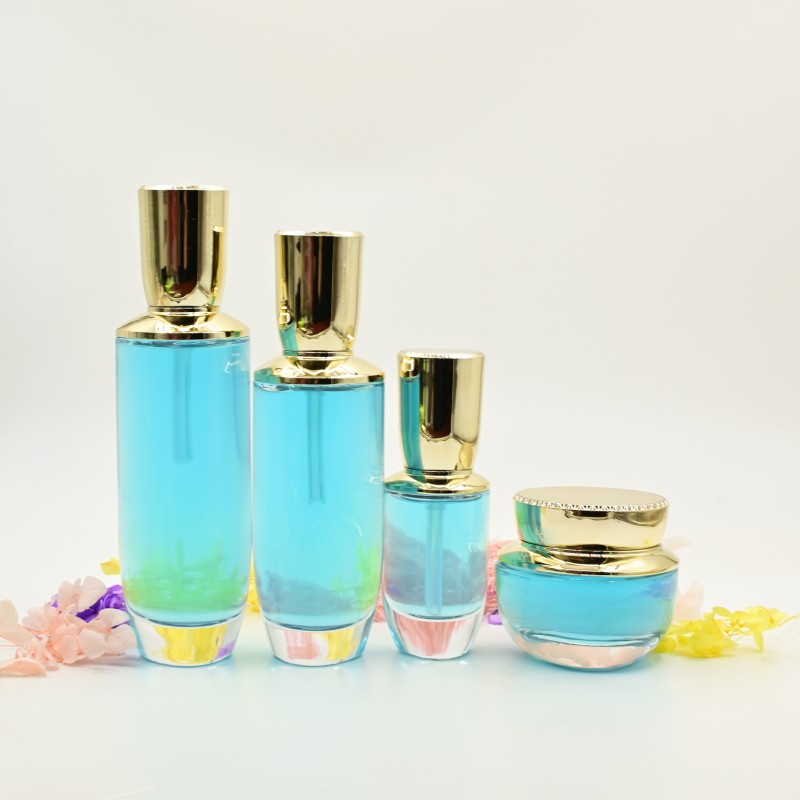
On the other hand, handcrafted luxury goods and extremism are booming. Brands such as Guerlain, Dior and Blue Ocean use highly decorated bottles as miniature artworks. Here, we see frosted glass with delicate embossing, sculptural curves inspired by architecture or nature, as well as custom-designed metal or ceramic bottle caps. These sets are usually packed in fancy boxes, turning the skincare routine into a indulgent ritual. The bottle is no longer merely a container; It is a symbol of status and an ornament of vanity, meant to be displayed.
Functionality has become a key frontier of innovation. The ubiquitous airless pump, which was once exclusive to high-end products, is now a highly sought-after feature in mid-range products. By protecting the formula from the influence of light and air, it retains the integrity of active ingredients such as vitamin C and retinol. The dropper system has also been improved. Silicone pipettes offer better control and hygiene, as well as interactive applications that consumers associate with high efficiency. For sets containing oil or thicker face cream, wide-mouthed cans are giving way to pump bottles or cans with dedicated scrapers, thereby enhancing hygiene and minimizing product waste. The ergonomics of the bottle – the feeling in the hand, weight, and grip – have all been carefully considered to enhance the user experience.
Perhaps the most significant transformation is material narrative. Sustainability is no longer a niche issue but a core design driving force. Glass itself has unlimited recyclability and inertness (which means it does not interact with the formula), making it the main material. It is clearly shown on the labels that brands are increasingly using recycled glass (PCR) to make bottles. The push for the environment extends to secondary elements: refillable systems are a major trend. Luxury brands such as Chanel and Estee Lauder offer smooth, permanent casings that can be filled with simpler and cheaper glass, reducing long-term waste and attracting environmentally conscious luxury shoppers.
In addition, the shift towards single-material components is gaining momentum. Designers are trying to minimize or eliminate plastic in bottle caps, pumps and droppers, and instead opt for alternatives such as aluminium, glass or bio-based polymers. Even the adhesive on the labels is being reconsidered to make it easier to recycle. This holistic approach to sustainable development is a powerful marketing tool and a true response to consumers’ demand for responsible beauty.
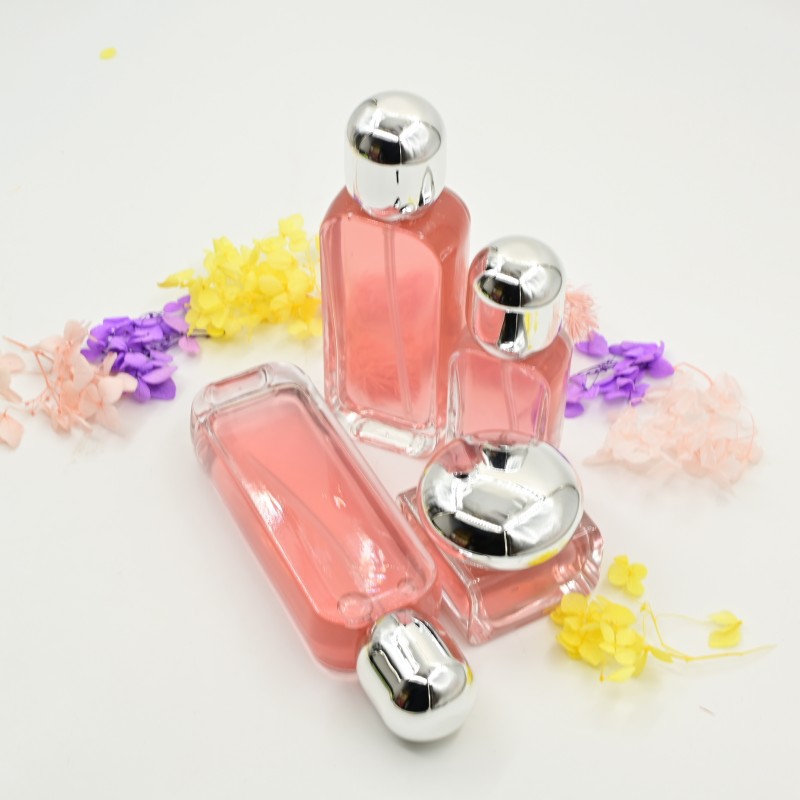
The psychological significance behind these designs is profound. In the digital world, unboxing and tactile experiences are of the utmost importance. A heavy, elaborately crafted glass bottle conveys quality and value. The “click” sound of the magnetic cover, the smooth downward pressure of the pump, and the cool touch of the glass – all these sensory details establish a solid connection with the brand and cultivate loyalty. For gift sets, this is a huge niche market. Coordinating the visual harmony of bottles – whether through matching colors, complementary shapes, or unified labels – creates an impression of a complete, thoughtful system, enhancing its perceived value and appeal.
Looking to the future, some innovations are about to emerge. Smart packaging integrated with QR codes or NFC chips can be linked to user guides or sustainability certificates. Modular set designs may emerge, allowing consumers to mix and match bottles and recipes in customizable shells. With the development of lightweight and durable glass and the breakthrough of compostable secondary packaging, the pursuit of sustainable materials will continue.
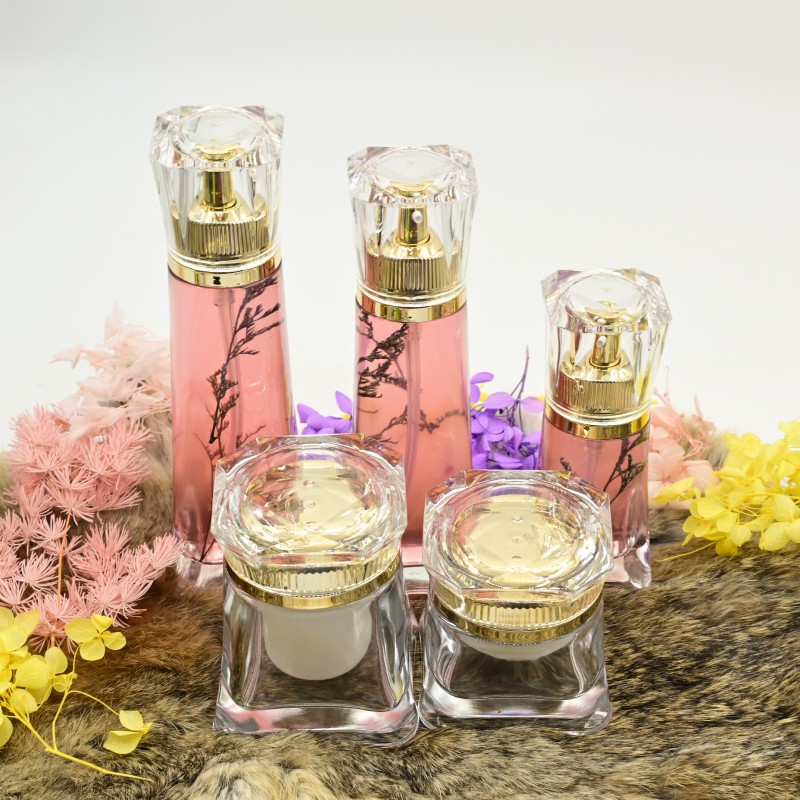
To sum up, the glass bottle for contemporary skincare sets is a multi-faceted object. It is a protector of complex chemicals, a canvas for brand identity that spans from minimalism to Baroque style, a trophy for sustainable development efforts, and an engineering tool for perfect application. With the continuous development of the beauty industry, the role of the bottle is clear: it is the silent ambassador of the brand and also the foundation of modern self-care rituals. These bottles are no longer merely afterthought. Their design, without exaggeration, is meant to be held, cherished and appreciated.
Post time: Jan-05-2026


