
1.Sustainability moves from concept to reality: Lightweight and high-recycling content become standard features
Environmental protection is no longer just a marketing gimmick; it has become the core driving force for industry innovation. According to the latest market research, the global market for eco-friendly cosmetic packaging is valued at 5.78 billion US dollars in 2026 and is expected to continue to expand at a compound annual growth rate of 9.1%.
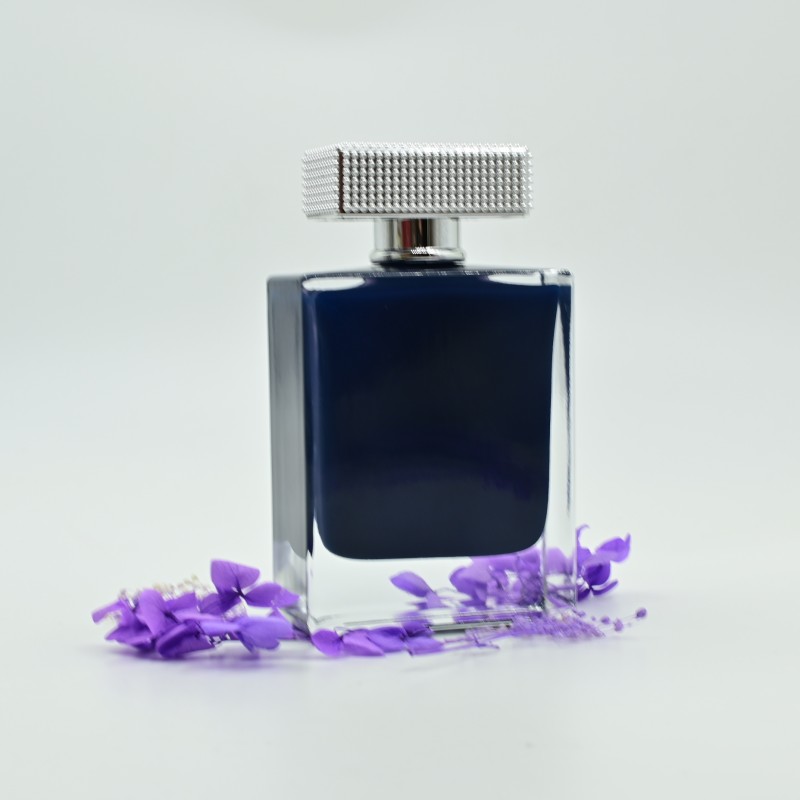
High-end cases set the trend: In the just-ended February, the French luxury brand Chanel showcased an exemplary case of ecological design. The redesigned “Chance Eau Splendide” perfume bottle, which took three years to develop, successfully replaced the bottle cap and the side metal parts with aluminum materials. This not only halved the weight of the metal components but also reduced the total weight of the 100ml perfume bottle by 20%. This design ensured that over 95% of the final packaging could be recycled, and it won the Innovation Award at the Paris Packaging Week.
Implications for Suppliers: This case demonstrates that brand manufacturers are seeking packaging solutions that are not only aesthetically pleasing but also capable of reducing the carbon footprint through lightweighting and single-material design. For essential oil bottles and aromatherapy bottles, dark glass (such as amber or cobalt blue) remains the market’s preferred choice due to its excellent light-blocking properties combined with the use of recyclable materials.
2. K-Beauty Effect: Innovation Speed and the Rise of “Sensory + Clinical” Packaging
Korean cosmetics are completely transforming the product development cycle in the US and global markets. In 2024, US imports of cosmetics from Korea increased by over 50%, making Korea the largest cosmetics importer in the US for the first time. This trend has placed new demands on packaging: faster launch times and more distinctive designs.
The “Korean Model” of packaging design:
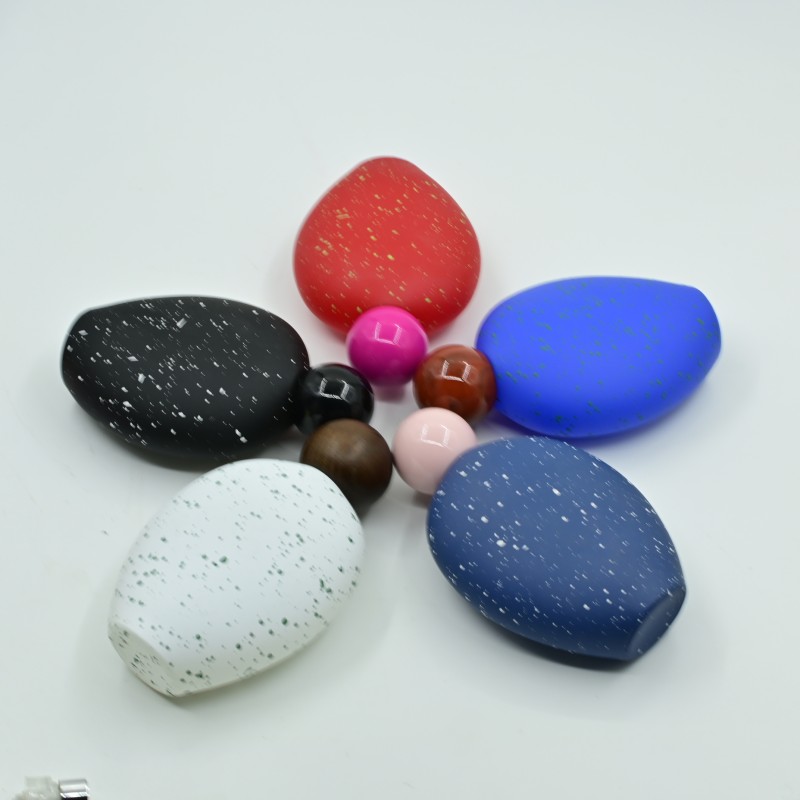
Korean brands are launching new products on a “quarterly” basis, rather than the traditional 18-month cycle. This has led brands to increasingly rely on unique inventory molds for secondary innovation – achieving product differentiation quickly through colors, finishes (such as matte effects), and customized embossing, without incurring high mold-making costs.
Trend Overlay:
Sensory experience: The soft touch coating on the head, the cooling beads, and the ergonomic massager are gradually penetrating into the fields of skin care products, essential oils, and perfumes.
Clinical Aesthetics: With the popularity of high-tech ingredients such as PDRN and exosomes, packaging design is trending towards minimalism and a pharmaceutical feel. The frosted glass combined with precise droppers can convey the message of pure and efficient ingredients, which precisely aligns with the demands for high-end essential oil bottles and serums.
3. Market Data: The glass bottle segment has achieved steady growth
Despite the uncertainties in the global economy, glass packaging has maintained a steady growth due to its irreplaceable chemical inertness and high-end texture.
Cosmetics and Perfume Glass Bottle Market: Projected to grow from $4.01 billion in 2025 to $5.35 billion in 2031, with a compound annual growth rate of 4.92%. The skincare (skin care products) sector holds a dominant position, and within the skincare category, the demand for sustainable and recyclable materials is particularly prominent.
Essential oil bottle market: This is a more explosive niche segment. The market size will reach 1.2 billion US dollars in 2024 and is expected to double to 2.5 billion US dollars by 2033, with a compound annual growth rate of 8.5%. This growth is attributed to the strong demand in aromatherapy, natural therapy, and personal care sectors.
Key data insights: By 2035, the global essential oil container market is projected to reach $26.3 billion. The dominance of glass containers in this sector is unshakable, as essential oils are highly reactive with plastics and require dark glass to prevent degradation.
Summary and Outlook
For both the buyers and the brands, the packaging strategy for 2026 needs to strike a balance between aesthetics, speed and responsibility.
Focus on the recyclability of materials: Whether it is using post-consumer recycled (PCR) glass or detachable metal components (such as those in Chanel cases), easy recycling design is a must-have for future compliance and brand image.
Embrace modularity and flexibility: By drawing on K-Beauty’s fast-paced model, choosing suppliers that can provide a wide range of inventory molds and support small-batch customization (with minimum order quantity of 5K-10K pieces) will help the brand quickly test market reactions.
Deeply focus on niche categories: The continuous popularity of essential oils and high-concentration serums indicates that the demand for high-quality dropper bottles, ball-shaped bottles, and light-protective bottles will consistently exceed the industry average.
As a supplier specializing in glass packaging solutions, we are closely monitoring these trends and are committed to integrating the cutting-edge design concepts from international leading brands with exquisite manufacturing techniques to offer you products that are both in line with the current trends and highly competitive.
Post time: Mar-09-2026


