
Market Dynamics and Growth Trajectory
The entire cosmetic container market is expected to grow from 4.85 billion US dollars in 2025 to 5.15 billion US dollars in 2026, and to reach 6.51 billion US dollars by 2030. Against this backdrop, glass packaging still holds a premium position. In 2025, the global glass cosmetic packaging market was valued at approximately 28.94 billion US dollars, and is expected to reach 47.84 billion US dollars by 2032. This growth reflects the unique position of this material between luxurious aesthetics and environmental responsibility.
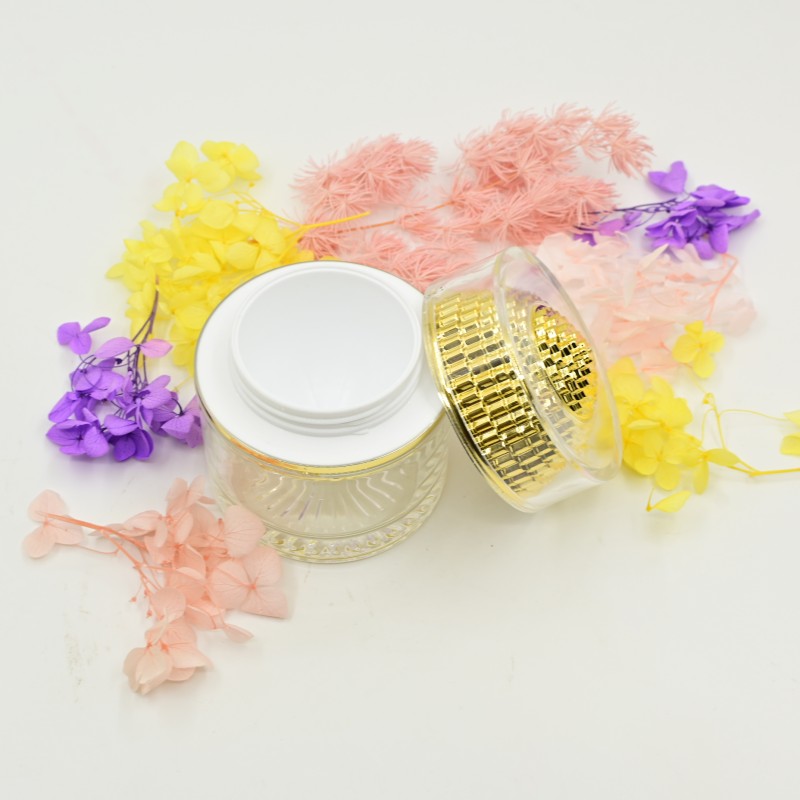
Manufacturing Innovation: The Rise of Intelligent Production
Manufacturers are meeting market demands through major technological upgrades. In Shanxi Province, known as the “Glass Products Capital of China”, Qi County exemplifies the industry’s transition from “handmade production” to “intelligent manufacturing”. The local enterprise “Xifule Glass Products” successfully established the region’s first production line for borosilicate glass containers, with a production capacity of 28 pieces per minute, and two production lines can produce over 70,000 products per day. This is twice the capacity of traditional methods, while labor costs have been reduced by 20%.
The company’s borosilicate products are favored for their excellent high light transmittance, low thermal expansion rate, and resistance to temperature shock, and have become the preferred products in high-end markets such as Europe, the United States, the Middle East, Japan, and South Korea.
Materials Science: Polymer Glass Becomes the Focus
Perhaps the most significant technological innovation comes from the global leading company SGD Pharmaceutical. In 2025, it became the first glass manufacturer in China to obtain ISO 14021 certification for post-consumer recycled (PCR) glass packaging. Now, the company produces glass bottles containing 20% and 30% PCR components at its Zhanjiang factory, significantly reducing the consumption of raw materials and energy usage.
This certification marks an important turning point in the industry, providing brands with verifiable sustainable development proof, enabling brands to convey this message to increasingly demanding consumers. The company has also included its NOVA lightweight glass series in consideration, which can achieve up to 20% carbon dioxide emission reduction compared to standard models through optimizing glass distribution and reducing weight.
Design Technology: The Perfect Fusion of Art Deco and Circular Economy
Advanced decorative techniques enable brands to achieve differentiation while maintaining recyclability. The cutting-edge physical vapor deposition (PVD), painting, and screen printing technologies adopted by SGD Pharmaceutical Company can create high-quality surface effects, and these effects are compatible with the recycling process. This resolves the long-standing contradiction between high-end aesthetics and environmental responsibility.
ECLIPSE reusable glass jars are another major breakthrough. Their modular design enables consumers to easily replace the internal capsules while extending the lifespan of the outer glass container. This aligns with the principles of circular economy and meets the preference of 81% of consumers for sustainable packaging today.
The manufacturer landscape: Global enterprises reshaping the competitive landscape
The competitive landscape includes both established European high-end brands and rising Asian manufacturers. The major global enterprises include Grasheim, Boese Group, Zini Novito, Heinz Glass, Verrensens, and Storz Glass Group. France’s Boese and Verrensens continue to dominate the ultra-high-end market, while Germany’s Heinz Glass maintains a strong market position in decorative packaging.
Procurement challenges: Addressing tariffs and supply chain issues
In 2026, purchasers will face a complex business environment. Tariffs on imported glass, plastic, and aluminum materials are increasing the costs of the global supply chain relied upon by North American and European beauty brands. These trade measures are compressing profit margins and forcing these brands to turn to local procurement and expand regional manufacturing scales to seek strategic adjustments.
Procurement decisions increasingly prioritize sustainability certifications and supply chain transparency. The demand for “solutions” is surpassing the demand for simple “containers,” and buyers are seeking reusable systems to reduce waste and enhance customer loyalty.
Consumer drivers: The necessity of sustainability
Consumer awareness remains the main driver of the market. Research shows that 78% of Chinese consumers consider the sustainability of personal care products when making purchases, and 67% of Gen Z shoppers in the global market will be influenced by sustainable packaging in their purchasing decisions. The 81% preference for sustainable packaging recorded by Protagia Global Limited has significantly increased compared to previous years.
Consumers no longer merely focus on the recyclability of products but are more inclined to understand the impact of their entire lifecycle. Trust indicators such as ISO certification and verified recyclable content are becoming key factors influencing purchasing decisions. The preference for glass products stems from their infinite recyclability, chemical inertness (which maintains the integrity of the formula), and the high-end image of enhancing the skincare experience.
Future outlook: Integration and innovation
Looking ahead, the glass cosmetic jar market will be influenced by several converging trends. Lightweighting technologies will continue to reduce carbon footprints while maintaining structural integrity. Reusable systems will move from a niche market to the mainstream market as brands invest resources in consumer education and infrastructure construction. The transformation of Qixian’s transition is an example of intelligent manufacturing that will achieve shorter production cycles and higher levels of customization.
The integration of digital technology, including quality control driven by artificial intelligence and supply chain tracking enabled by the Internet of Things, will further enhance efficiency and transparency. Just as the EcoVadis Gold Award (with a score of 90) of SGD Pharmaceuticals demonstrates, leading enterprises in the industry are committed to setting goals based on science – reducing emissions by 42% by 2030 and by 65% by 2040.
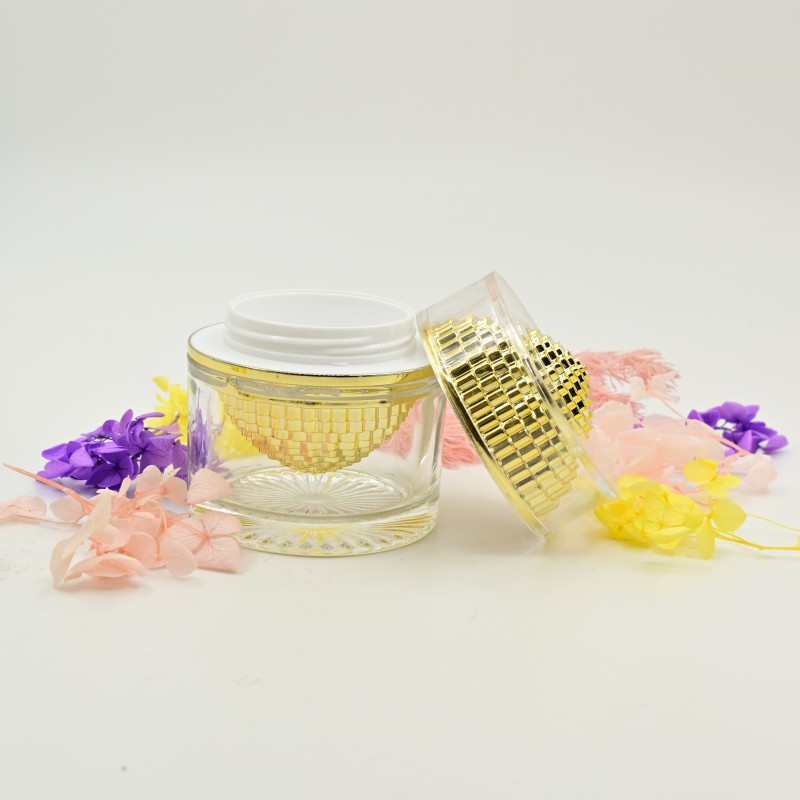
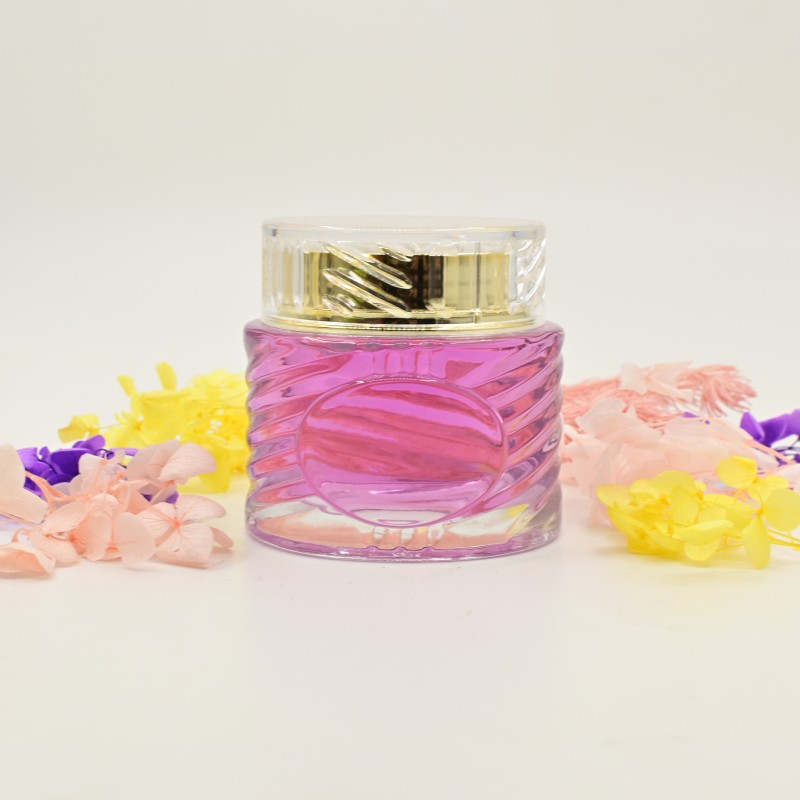
For this unremarkable glass cream container, the future will be an era where sustainability, technology and luxury are perfectly integrated. It is no longer merely a container, but rather a manifestation of values – not only protecting the precious formula, but also safeguarding the entire planet.
Post time: Mar-01-2026


