
The Alchemy of Aroma: How Does Bottle Design Redefine the Experience of Essential Oils
In the bustling global health market, essential oils have solidified their position, not only as niche aromatherapy products but also as a pillar of modern self-care rituals. This wave catalyzed a silent revolution, which took place in the container that held these elixirs – the essential oil bottle.
Today’s bottles are no longer merely functional containers; they are masterpieces of design, sustainability and user experience, reflecting broader trends in consumer aesthetics and ecological awareness.
Aesthetic Evolution: The Combination of Minimalism and Craftsmanship
Bottles that were purely practical and had fancy labels are gone forever.
The current international trend is clearly polarized, catering to two dominant emotions.
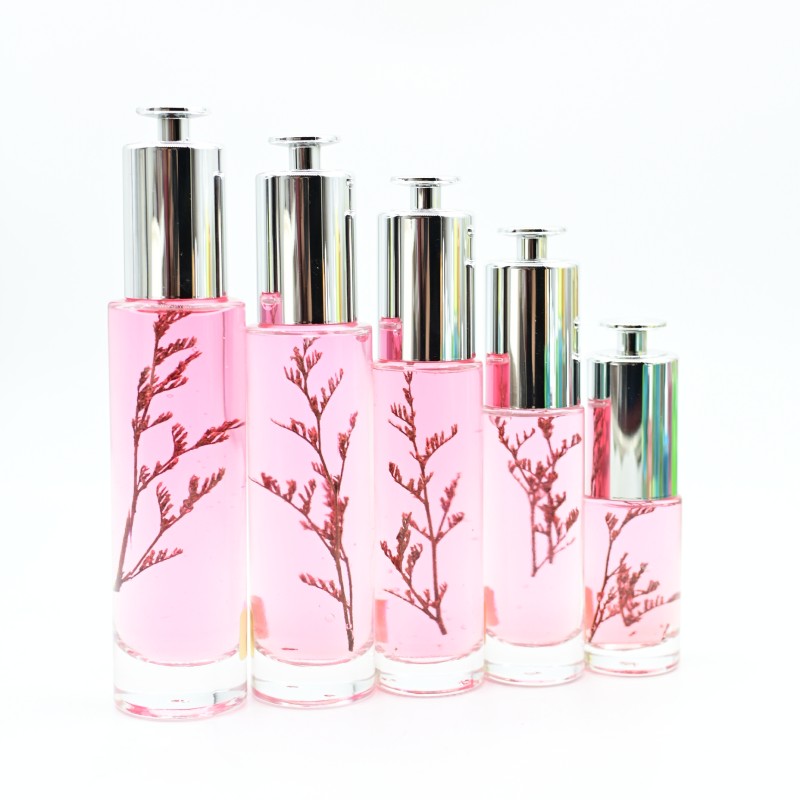
First of all, high-tech minimalism dominates. Inspired by Scandinavian and Japanese design principles, this style is characterized by smooth, transparent glass cylinders or pharmacist-style bottles with clean lines. Labels are usually understated, such as soft earth tones, sans-serif fonts and minimalist graphics, or are completely replaced by elegant screen printing. The key points are purity and transparency, allowing the natural color of the oil to serve as decoration.
Brands like Gya Labs and Neom embody this concept of “less is more”, presenting their oils as precise health tools focused on.
In contrast, Artisanal and Vintage Revival offers a tactile and nostalgic counterpart. Amber or cobalt blue glass, reminiscent of historical pharmacists, remains the gold standard for light protection, but now features exquisite details. The embossed glass pattern, ceramic dropper cap, wax seal, and handwritten style label evoke craftsmanship and authenticity.
This trend is advocated by brands such as Vitruvius and smaller independent distilleries, connecting users with the sense of heritage, tradition and handcrafted care, and viewing oils as precious small-batch treasures.
Surface and Closure: The frontier of Touch
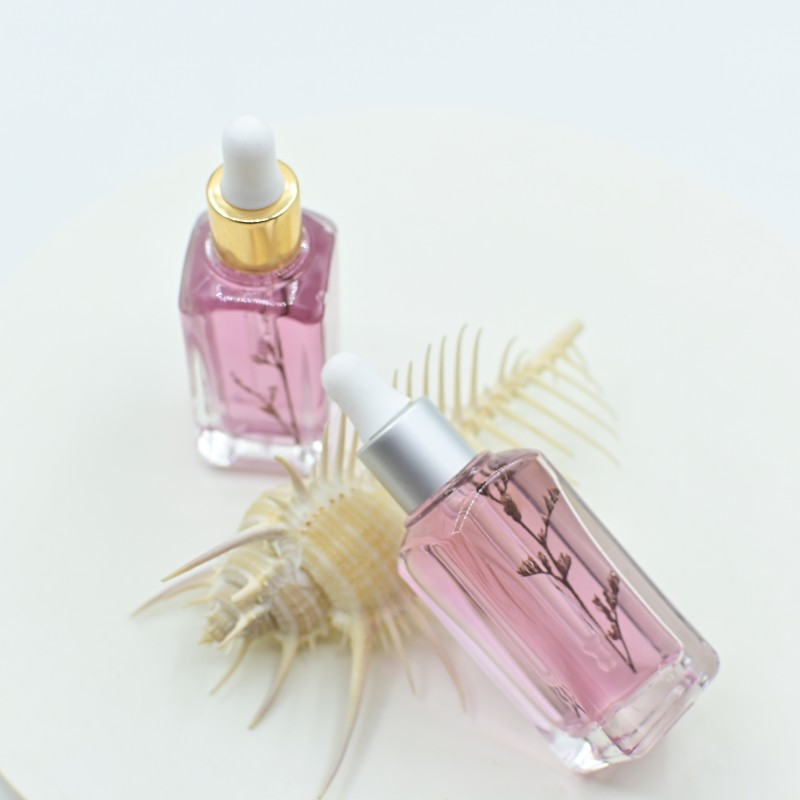
Surface treatment has become a key differentiating factor. Matte and frosted textures are very popular, offering a soft, velvety feel and conveying luxury and refinement. This surface treatment also ingeniously conceals fingerprints – a small but significant detail that can draw attention to the shelves. In addition to aesthetics, functional coatings are on the rise.
The UV-resistant coating provides additional protection for photosensitive oil without dark glass, while the innovative non-stick interior coating ensures that every drop of precious oil is allocated, reducing waste.
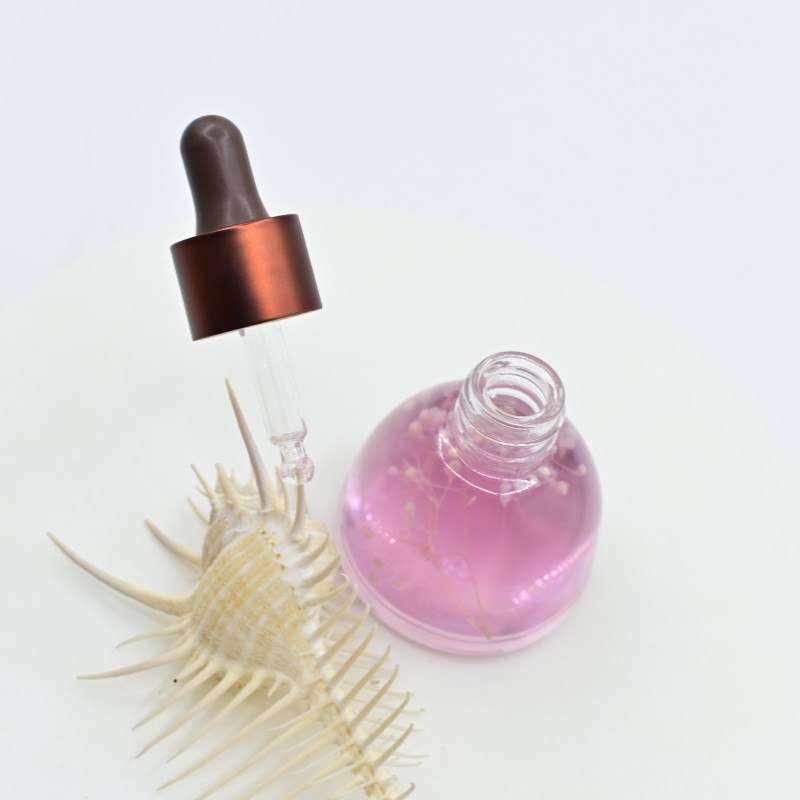
The simple dropper cap has been redesigned. This shift is towards European glass pipettes, which feature fine conical tips and rubber balls, providing superior control for individual drops of liquid – a key characteristic for effective mixing and professional use.
For rollers, the market is shifting towards larger and smoother stainless steel balls to achieve stable and cooled sliding, which are usually installed in chic anodized aluminum sleeves and feel solid and high-end.
Ability awareness: Precision and personalization
The “one-size-fits-all” model has become outdated.
The current trend is to establish a combination of strategic capabilities serving different purposes:
Micro-size (1-2 ml) : Sample bottles or ultra-concentrated, rare oils (e.g., Rose Otto).
They have reduced the entry cost of experiments.
Standard core (5-15 ml) : It remains the main force of single oil.
However, 10 milliliters is becoming increasingly popular as a new standard, offering a better perception of value while maintaining manageable freshness.
Large sizes and mixed sizes (30-100 ml) : Gain the appeal of base oils (such as jojoba oil or sweet almond oil), popular synergies (such as immune support blends), or oils used in a wide range of household cleaning formulations.
This indicates a shift from occasional use to integration into daily life.
Roll-On Ready (5-10 mL) : Specially designed bottles with built-in or compatible rolling ball inserts for mobile local applications, meeting the needs of convenient and safe dilution.
Specialized design: From clinics to portable
Design is increasingly dominated by its final use. Professional-level bottle aromatherapists have clear calibration marks, chemical-resistant labels, and safe, leak-proof caps, as well as practical toolkits for safe transportation. Travel-friendly design is a major growth area, with compact, leak-proof screw caps or safe roller balls often located in fashionable, protective silicone sleeves or zipper boxes.
However, the most important and common trend is sustainability. Refillable systems are the new pioneers. All major brands are offering elegant and larger-sized “mother bottles”, allowing customers to refill beautiful and permanent small bottles. This greatly reduces the waste of disposable plastics and glass. In addition, efforts are being made to vigorously promote 100% recyclable materials: glass bottles, aluminum caps, paper labels with plant-based inks, and biodegradable packaging materials. The bottle itself is becoming a statement of environmental ethics.
In conclusion, a modern essential oil bottle is a multi-faceted object. It is a light-proof guardian, an accurate measuring instrument, a tactile luxury item, and a symbol of sustainable values. With the development of the health industry, the complexity of its packaging is also increasing. The future trend is towards smarter, more personalized and more environmentally friendly designs – the beauty of containers truly matches the effectiveness of their internal essence, transforming every application into a conscious and sensory ritual.
Post time: Dec-19-2025


