
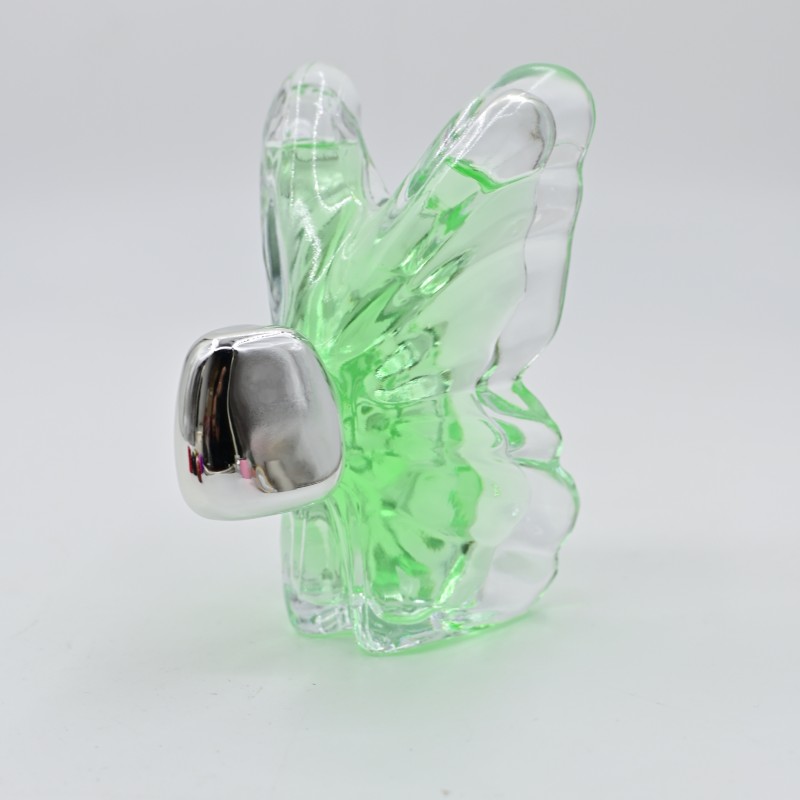
sustainability as the core design principle
Sustainability has transcended market promotion and become a fundamental structural requirement for packaging. The key point is to create a true circular economy through the following ways:
Refilling and reusable systems: A major growth area, especially in high-end skin care products and perfumes. Brands like Kilian Paris use luxurious and elegant refillable bottles to provide long-term value.
Material innovation: Post-use consumer recycled (PCR) glass and high definition are on the rise. For instance, Lush uses amber glass made from 56% recycled ingredients to protect sensitive formulas. The industry is also addressing the challenge of creating fully recyclable decorations and components
Lightweighting: To reduce material usage and carbon emissions in logistics, suppliers are designing bottles that maintain a high-quality feel while using less glass.
“Quiet luxury” aesthetics
The mainstream aesthetic trend in 2026 will be “quiet luxury” or emotional minimalism. This concept gives priority to:
Pure and clean form: Simple Outlines, perfect proportions and soft edges, giving a timeless feel rather than being driven by trends
Subtle, tactile completion: The matte velvet coating, frosted effect, and satin metallization create a sensory, high-touch experience. Brands like Estee Lauder use ultra-fine hot stamping on flint glass to convey refinement.
Purposeful transparency: Transparency and colored glass are related to purity and composition honesty. Controlling the color gradient (for example, emerald for detoxifying serum) is used to visually convey the function of the product.
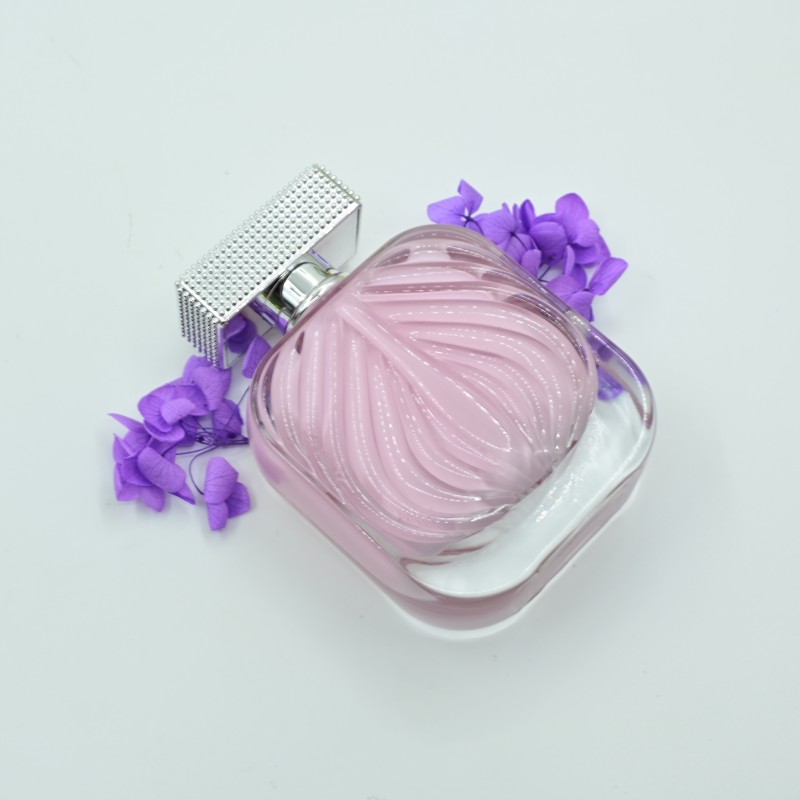
Functionality luxury and intelligence fusion
Through “functional luxury”, packaging is increasingly becoming an active participant in the product experience.
Precise quantification: The advanced dropper and pump mechanism is precisely designed to control distribution, which is the key to high-value serum and concentrated oil.
Enhanced product protection: Hybrid structures, such as glass bottles wrapped in aluminum shells, offer superior protection against fragile formulations while providing a high-quality, weighted feel.
Digital connection: The integration of QR codes and NFC chips links physical packaging with digital content, providing access to authentication, detailed product information, usage tutorials, and refilling programs.
Adapt to e-commerce and the global market
The growth in online beauty product sales has fundamentally affected packaging design:
Durability during transportation: Glass bottles must be strong enough to withstand transportation without damage, making structural integrity of Paramount importance.
Online visual appeal: The packaging must be photogenic and distinctive to draw attention to the digital store and social media.
Regional market dynamics: Europe is the largest market, followed by North America and the Asia-Pacific region. North America, led by the United States, is a key innovator, driven by high disposable income and strong participation from Gen Z and millennial consumers.
The direction of the industry is clear: success in 2026 requires an integrated approach, in which environmental responsibility, complex design and intelligent functions are inseparable. Leading suppliers such as Gerresheimer, Verescence and Virospack offer vertical integration from design to decoration, and they are well-positioned to help brands address these complex demands.
If you are developing a specific category of product, such as skin care essence, high-end perfume or cleansing beauty product, I can provide a more detailed analysis of the materials and closed trends most relevant to this niche market.
Post time: Feb-02-2026


