
As consumers become more environmentally conscious, the pros and cons of each material are subject to more rigorous scrutiny, forcing brands to seek a balance between luxury, practicality, and the health of the planet.
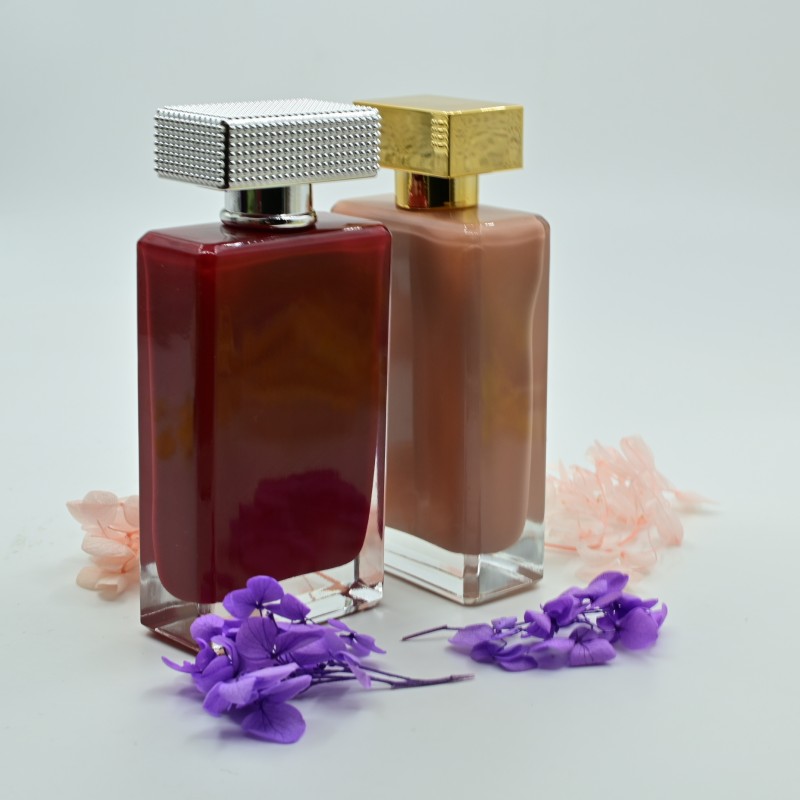
The charm of glass: A perfect combination of high-quality touch and environmental philosophy?
For decades, glass has been synonymous with luxury and efficacy in cosmetics.
Its advantages are obvious.
Sensually, glass gives off a sense of high-end, weighty, and high-quality, while plastic struggles to match it.
Glass itself is inert and impermeable, ensuring that even the most delicate formulas – essences, essential oils, or potent vitamin precursors – can remain stable and unaffected by the pollution caused by interaction with the packaging.
This purity retention is an important selling point for high-end skincare products.
Moreover, glass has excellent transparency, allowing for the perfect display of colorful products, and typically features elegant, sculptural designs, becoming part of the bathroom vanity decoration.
From a sustainable development perspective, glass has a highly attractive core advantage: it can be recycled infinitely without losing quality.
A glass bottle can be melted and remade into new bottles.
This recycling potential, combined with the increasing awareness among consumers of glass as a “cleaner” and more natural material, further strengthens its high-end image.
However, glass products have obvious drawbacks.
The main disadvantage is the weight issue, which leads to a much higher carbon footprint (carbon footprint) during transportation compared to lighter alternatives.
Brittleness is another major problem, posing risks during transportation, store handling, and at home use.
This fragility often requires additional protective packaging, generating more waste.
For consumers, heavy glass droppers or glass jars may be inconvenient during travel.
Finally, the production process of glass is highly energy-intensive, requiring high temperatures to melt, although it can be recycled, the efficiency of the glass recycling system is not universally effective.
If there is pollution or improper classification, glass may be discarded in landfills, where it cannot decompose.
The pragmatism of plastic: The lightweight champion but facing pollution issues
Plastic packaging, especially polyethylene terephthalate (PET), acrylonitrile-butadiene-styrene copolymer (ABS), and polypropylene (PP), dominate the mass cosmetics market due to their numerous significant practical advantages.
The biggest advantage lies in lightweight durability.
Plastic can significantly reduce transportation weight, thereby lowering fuel consumption and related greenhouse gas emissions during the logistics process.
Its shatter resistance enhances safety, reduces product loss, and enables products to adopt more flexible, portable designs, such as squeezable tubes and airless pumps – the latter being crucial for preserving ingredients like vitamin C that are sensitive to oxygen.
Functionality is also a major advantage.

Plastic can be molded into almost any shape, enabling innovative dispensing devices, precise application heads, and practical designs suitable for lotions, mascara, and powder containers, among others. Moreover, compared to glass, the production cost and transportation cost of plastic are much lower, thus enabling a reduction in product costs.
From a manufacturing perspective, plastic injection molding can achieve high-speed and large-scale production.
However, the negative impact of plastic on the environment lies in its huge amount of waste.
The core issue lies in the end-of-life treatment of its lifecycle.
Due to technical difficulties, size limitations, and the mixture with product residues, most cosmetic plastics cannot be effectively recycled and reformed into new cosmetic packaging.
Most of these plastics are discarded in landfills or cause pollution. They may persist for hundreds of years and eventually break down into microplastics.
This “get-put-use-throw away” linear model is unsustainable.
Furthermore, although there have been some advancements, a large portion of plastic still comes from fossil fuels, which makes the industry closely linked to the extraction process of petroleum chemicals.
Consumer attitudes have also changed;
Plastic is increasingly regarded as a cheap and environmentally harmful substance, which conflicts with the “pure beauty” concept advocated by many brands.
Industry innovation and the role of consumers
This debate is no longer a binary choice between two options.
The industry is adopting hybrid solutions and advanced materials to address this situation.
Many brands use glass as the main container material, but they will also pair it with plastic pumps (usually not recyclable when combined as a set).
Some brands are investing in using post-consumer recycled (PCR) plastic, including virgin plastic and plastic from the ocean, to reduce reliance on new fossil fuel plastic and support the circular economy.
Bioplastics made from renewable resources (such as sugarcane) are emerging, although there are concerns about land use and industrial composting infrastructure.
Meanwhile, lightweight and reinforced “luxurious” glass, as well as improved recycling processes, are enhancing the appeal of glass. For many, the ultimate goal is to adopt a reusable system, using durable glass containers or aluminum main containers, combined with recyclable plastic or compostable supplementary packaging bags, thereby significantly reducing single-use waste.
Ultimately, power is gradually shifting to the consumers. Educated consumers no longer merely focus on the product itself but also carefully examine its packaging. They will ask: Is this product recyclable in our city? Does it contain renewable plastic components? Does it have a recycling or reuse plan? Brands are under pressure to design products suitable for recycling – to manufacture single-material packaging that is easier to recycle, provide clear disposal instructions, and invest in recycling infrastructure.
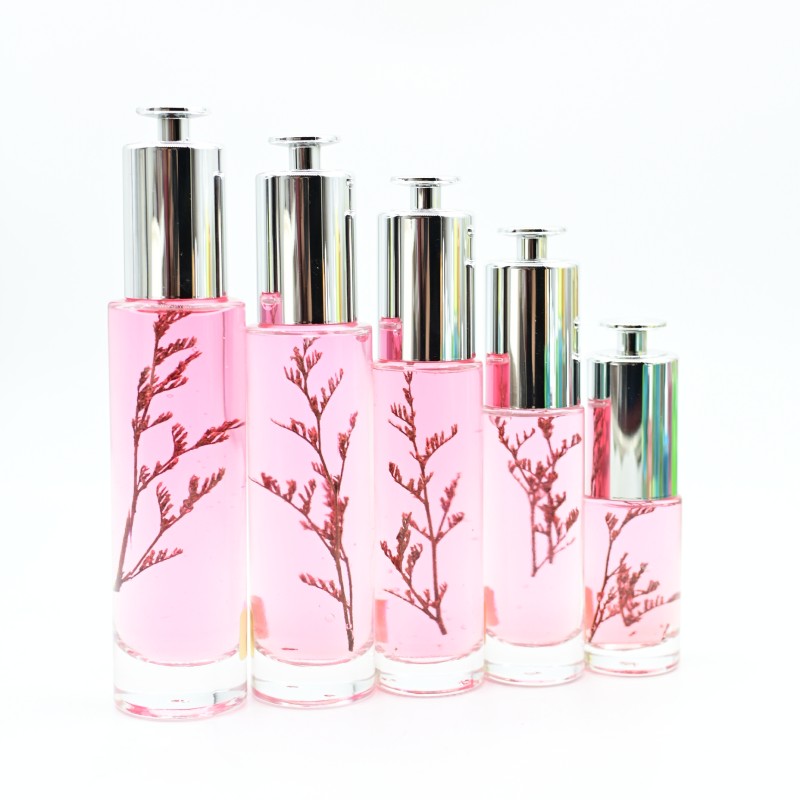
Summary points
There is no absolutely perfect answer. Glass has the characteristics of luxurious appearance, strong chemical stability, and unlimited recyclability, but it comes at an environmental cost in terms of weight and fragility. Plastic, on the other hand, has unparalleled practicality, safety, and lower transportation emissions, but it also faces the challenges of waste and pollution.
The future of cosmetic packaging does not lie in choosing one form and discarding the other, but in innovating within both models while consistently adhering to the principles of the circular economy. This requires designing recyclable products, incorporating recyclable materials, educating consumers, and developing new systems such as reusable packaging. In reality, the most sustainable packaging form may not be the traditional glass or plastic, but packaging that is designed to have a second, third, or even unlimited lifespan. In this constantly changing environment, the most successful materials will be those that can perfectly combine beauty, functionality, and true responsibility.
Post time: Jan-06-2026


